Menu

We are an architectural firm constantly analyzing the territory for the development of our projects. Founded by Alejandro Zárate and Edgar Velasco, our goal is to find honest and coherent solutions for each space.
With more than ten years of experience, we have collaborated, from designing residential houses, multifamily buildings, etc. to participating in strategic plans for the development of the territory in different areas of Mexico.

Silver medal at the Architecture Biennial of Mexico City, in the category "Urban Design and Recovery of Public Spaces"
Honorable Mention at the Architecture Biennial of Mexico City, in the category of “Single Family Housing”
Silver Medal of the XV National and International Biennial of Mexican Architecture
Recognition of third place in “10 Offices for Smart Cities” by Obras magazine
Finalist of the Ibero-American Biennial of Architecture and Urbanism
Architectural Review London finalists with the CDLE Offices project
Finalists of the Cuernavaca Linear Railway Park International Competition
First place at the Quito Pan-American Architecture Biennial, in the category of “Rehabilitation and Recycling”
Second place in the International Competition “Fair of Friendly Cultures”
First place in the National Competition “Paseo Urbano Monumento a la Madre”
First place in the restricted competition “Rehabilitation building Peru 88”
First place in the National “Improving Unity” Competition
Finalists of the “Bauhaus Dessau Museum” International Competition
Finalists of the National “INE Master Plan” Competition
The Architectural Review
|
Mayo 2024
Public property: Public infrastructure projects in Tuxtla Gutiérrez, Mexico by RZERO estudio
Texto por Michael Snyder
Una serie de intervenciones en la ciudad de Tuxtla Gutiérrez (México) realizadas por RZERO estudio pone de manifiesto tanto las posibilidades como las deficiencias de la inversión pública a gran velocidad.
METALOCUS
|
Septiembre 2024
Un nuevo mercado para la comunidad. Mercado 22 de noviembre por RZERO estudio
Texto por María del Pino Sánchez
El estudio de arquitectura mexicano RZERO ha sido el responsable del proyecto de un nuevo mercado, que sustituye a uno anterior, en la ciudad de Tuxtla Gutiérrez capital del estado de Chiapas, México.
domus
|
Abril 2020
Concrete minimalism in a Mexico City housing building
Texto por Salvatore Peluso
El patio central del edificio residencial Rochester 64 es el espacio en torno al cual gira el día a día de sus habitantes. El hormigón visto y la madera definen el patio compartido del pequeño edificio residencial que R-Zero ha terminado en Ciudad de México.
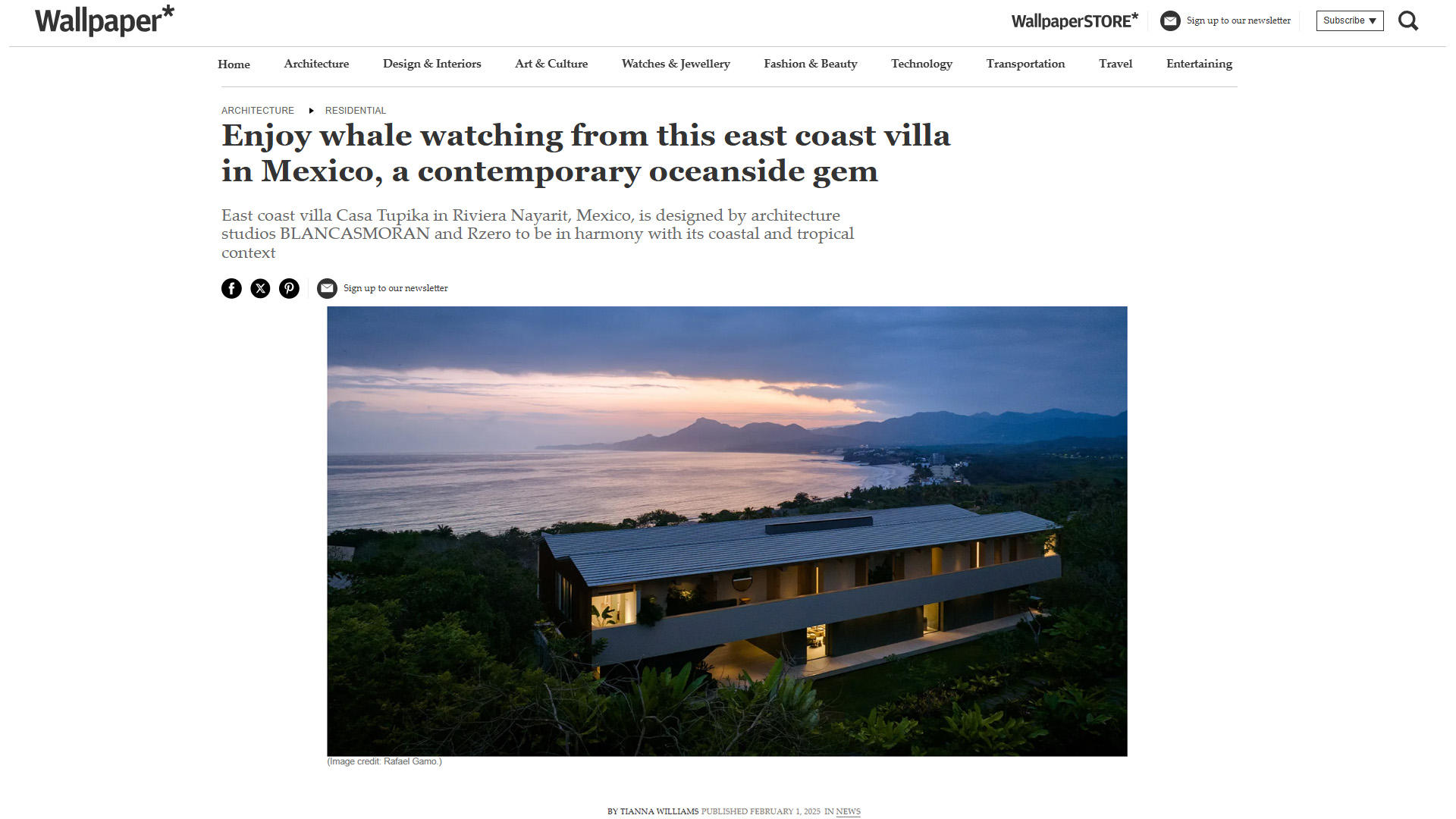
On the Pacific shores of Mexico, this east coast villa is situated in Riviera Nayarit, which overlooks 200 miles of sandy coastline and more specifically, Litibú Bay, which is sandwiched between the small fisherman and surfer town of Sayulita to the north, and the bustling city of Puerto Vallarta in the south. Titled Casa Tukipa, the home is designed by architecture studios BLANCASMORAN and Rzero.
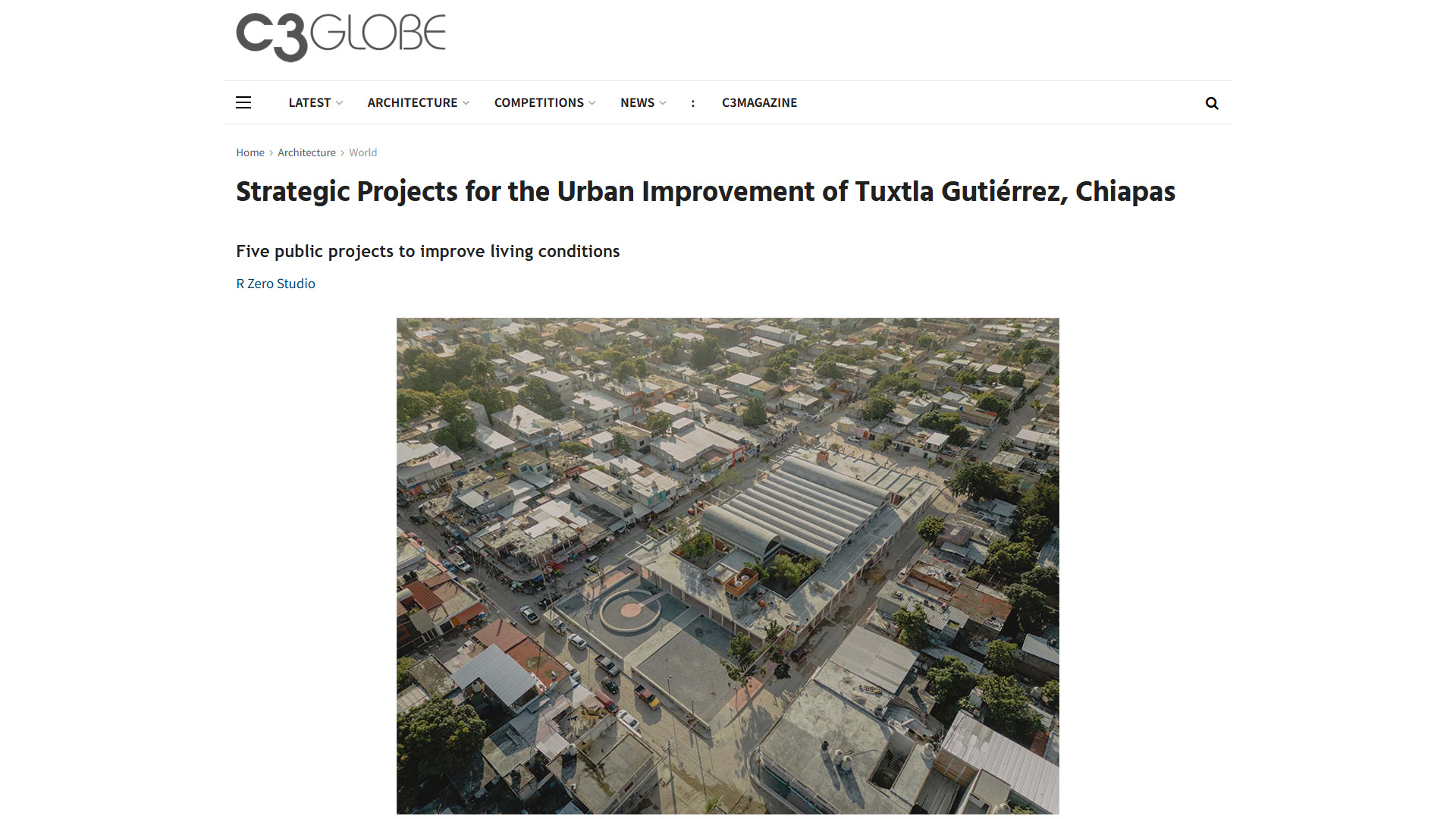
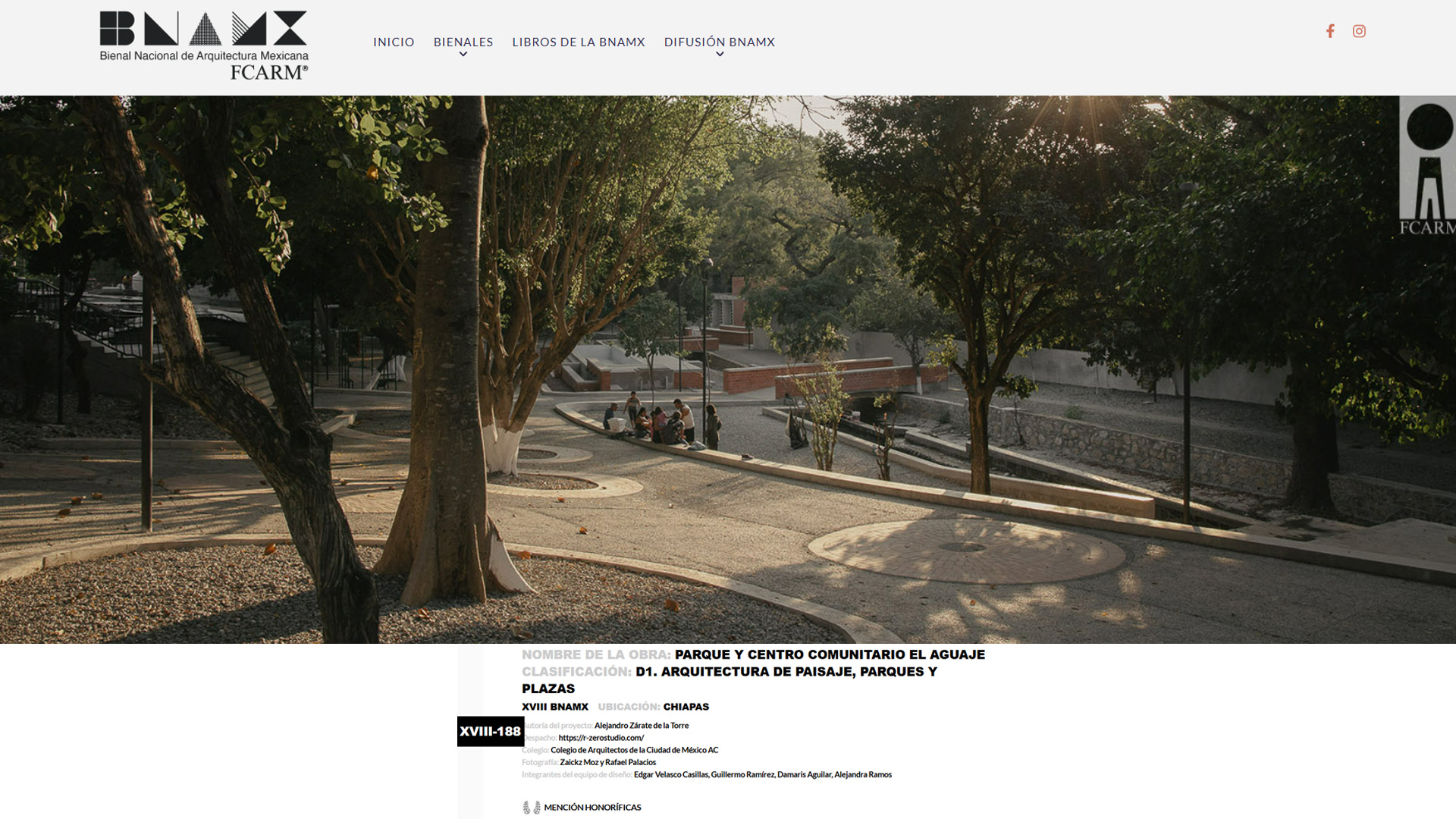
A public development initiative is transforming five key urban areas in Tuxtla Gutiérrez, Chiapas, Mexico. Architects enhanced well-used spaces to improve accessibility and safety and revitalized aging or hazardous sites. This comprehensive project includes the November 22 Market, the Patria Nueva Multi-Sport Complex, the Central Plaza, the May 5 Plaza, and El Aguaje Park.
A series of interventions in the city of Tuxtla Gutiérrez in Mexico by RZERO estudio reveals both the possibilities and shortcomings of public investment at speed.
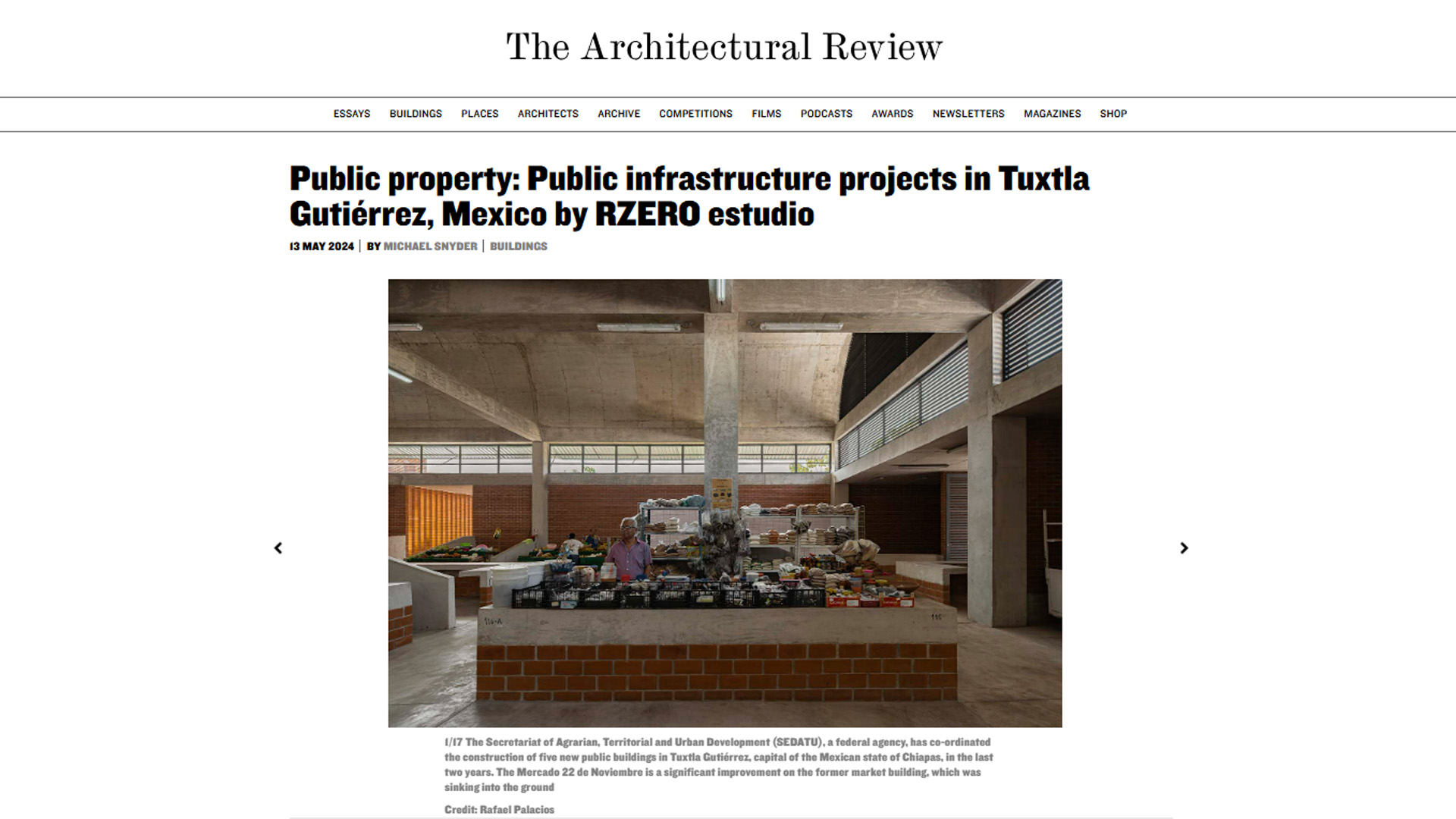
The Secretariat of Agrarian, Territorial and Urban Development (SEDATU), a federal agency, has co-ordinated the construction of five new public buildings in Tuxtla Gutiérrez, capital of the Mexican state of Chiapas, in the last two years. Since 2019, SEDATU has built a staggering 1,044 projects across Mexico as part of its Programa de Mejoramiento Urbano (PMU). Covering a total of more than 20km2, these projects are concentrated in the economically marginalised south. RZERO’s projects are all attempts to revive public spaces, exemplifying both the possibilities and shortcomings of SEDATU’s approach.
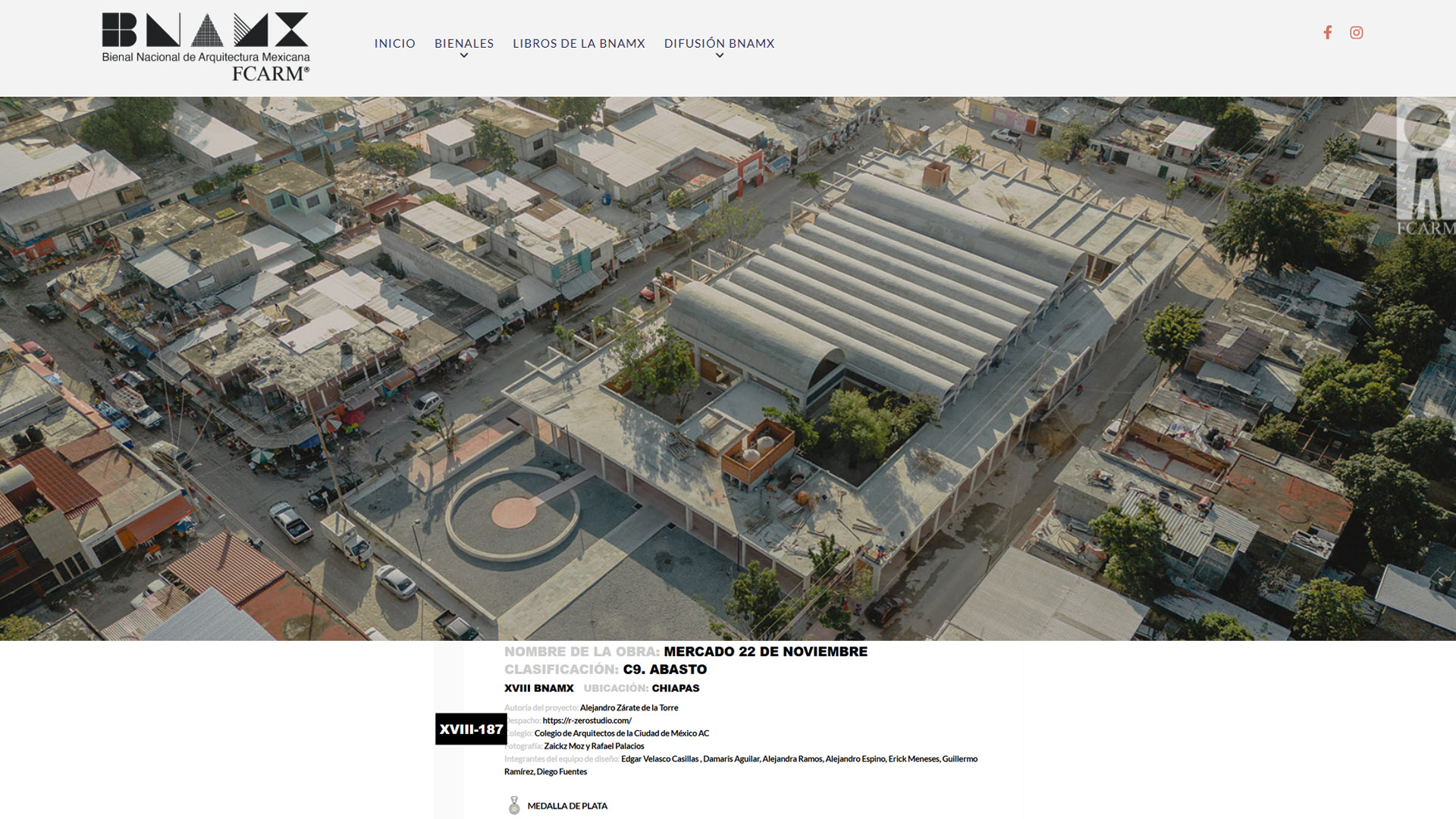
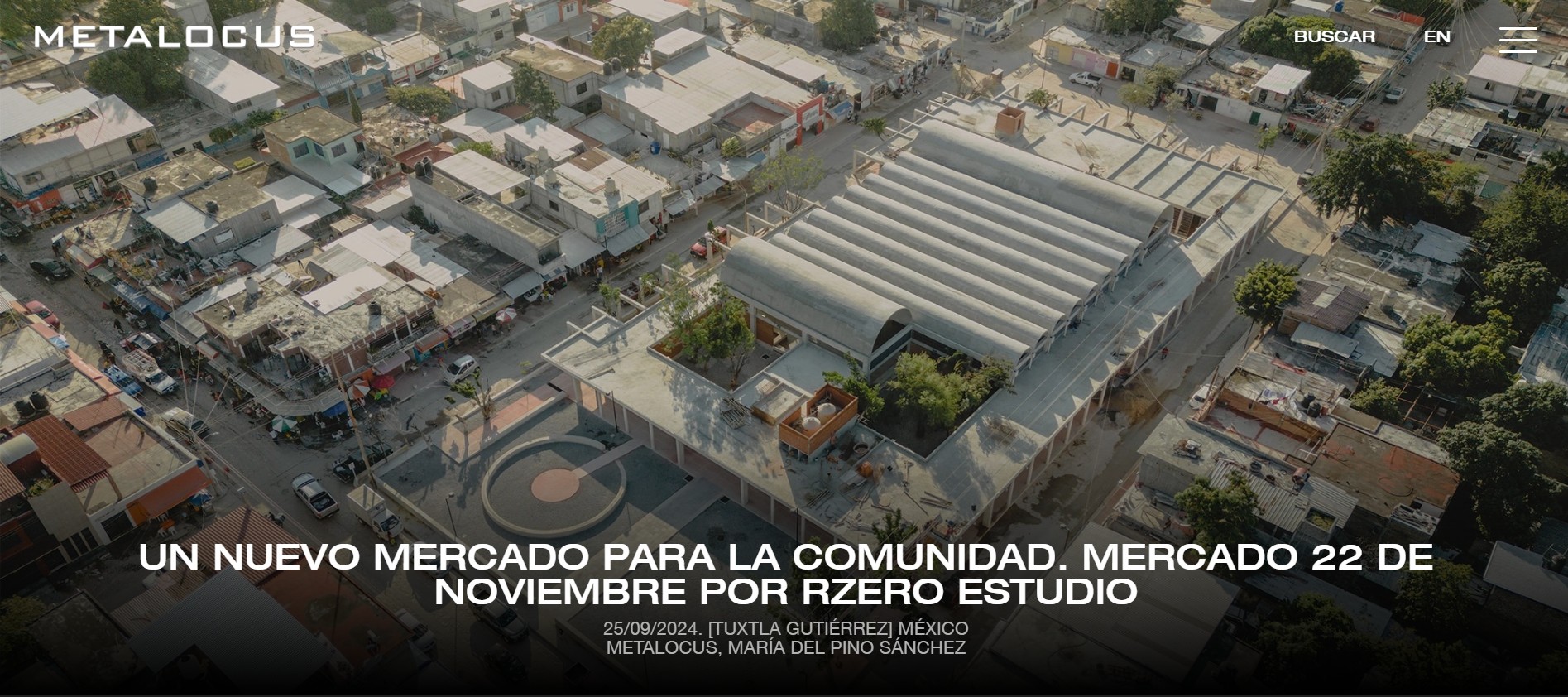
The Mexican architectural studio RZERO has been responsible for the project of a new market, which replaces a previous one, in the city of Tuxtla Gutiérrez, the capital of the state of Chiapas, located in the south of Mexico.
The 22 de Noviembre market is part of a strategic plan to improve the urban conditions of the area, which aims to resolve the situation of marginalization and poverty in this urban zone.
Located in the Patria Nueva neighborhood of Tuxtla Gutiérrez, the November 22 Market is a project that forms part of a strategic plan for the urban improvement of the capital of the Mexican state of Chiapas. This plan includes other works by Rzero Studio, such as El Aguaje Park, the May 5 Plaza and Garden, the Central Plaza, and the Patria Nueva Sports Complex.
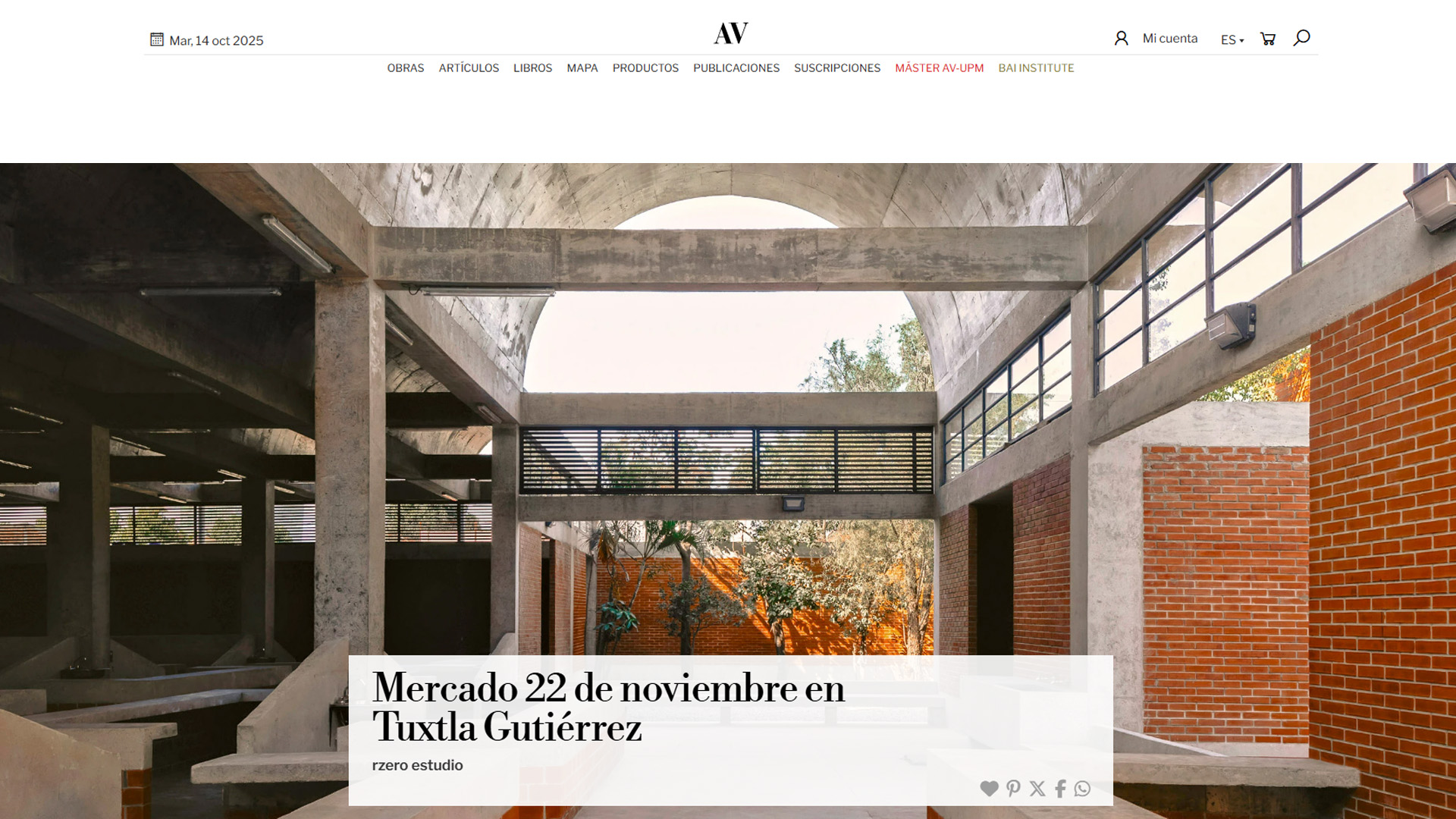
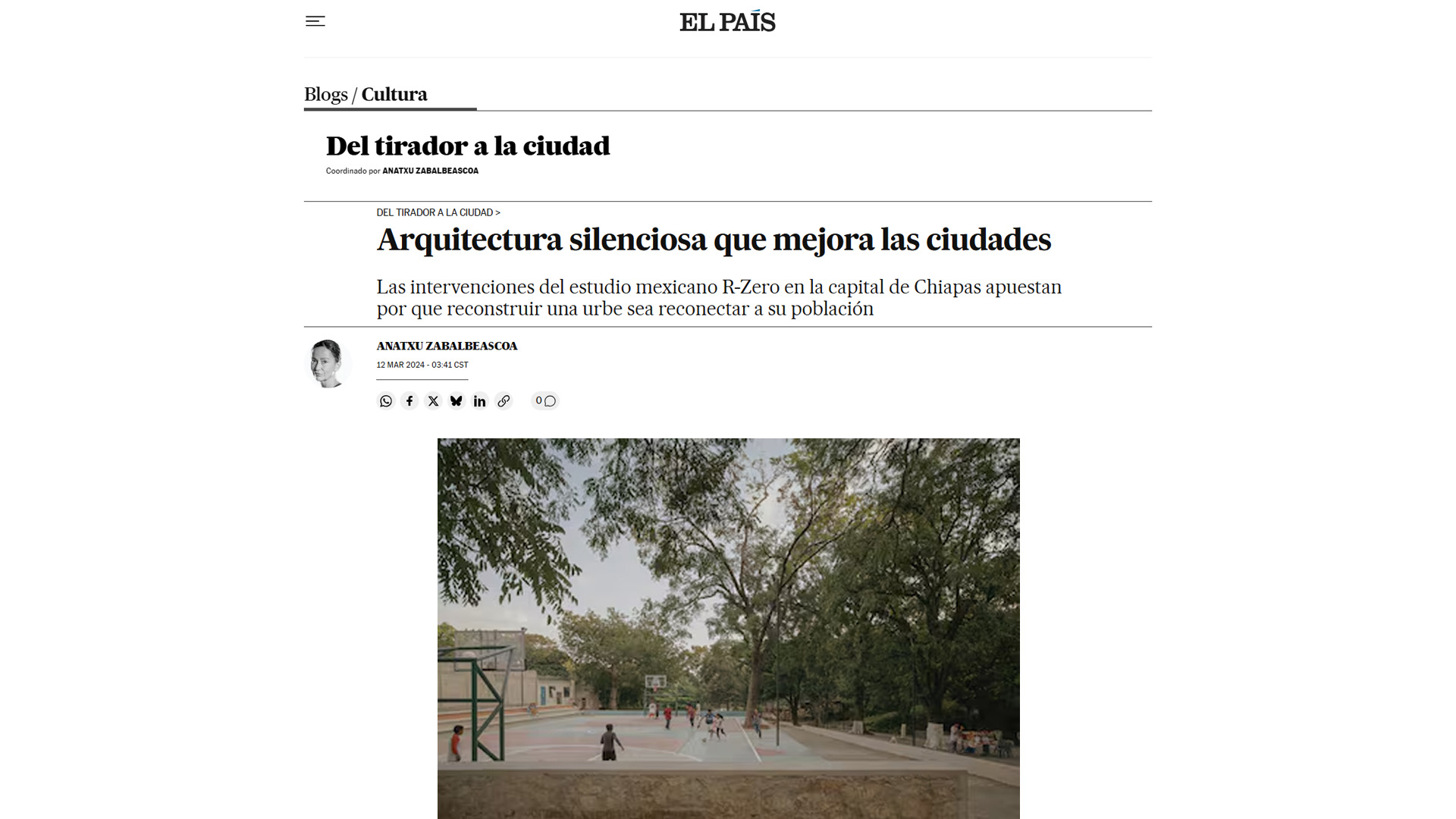
The interventions by the Mexican studio R-Zero in the capital of Chiapas propose that rebuilding a city means reconnecting its population.
The accelerated expansion of Mexican cities is the result of their rapid growth and a lack of urban planning that leads to population segregation. In Tuxtla Gutiérrez, the capital of Chiapas, the architects from the R-Zero studio have built public spaces that contribute to rehabilitating marginalized neighborhoods, thus uniting the city.
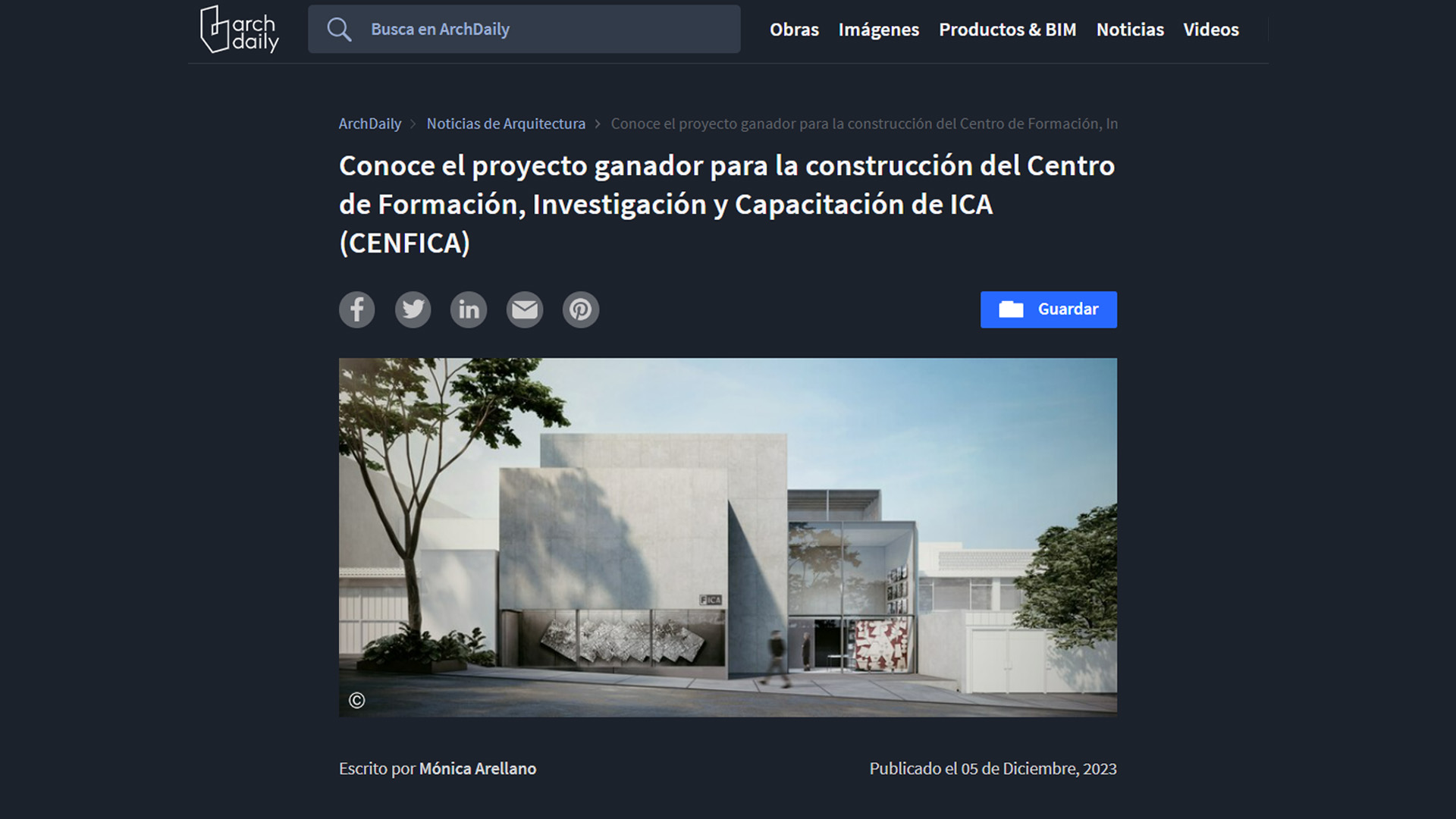
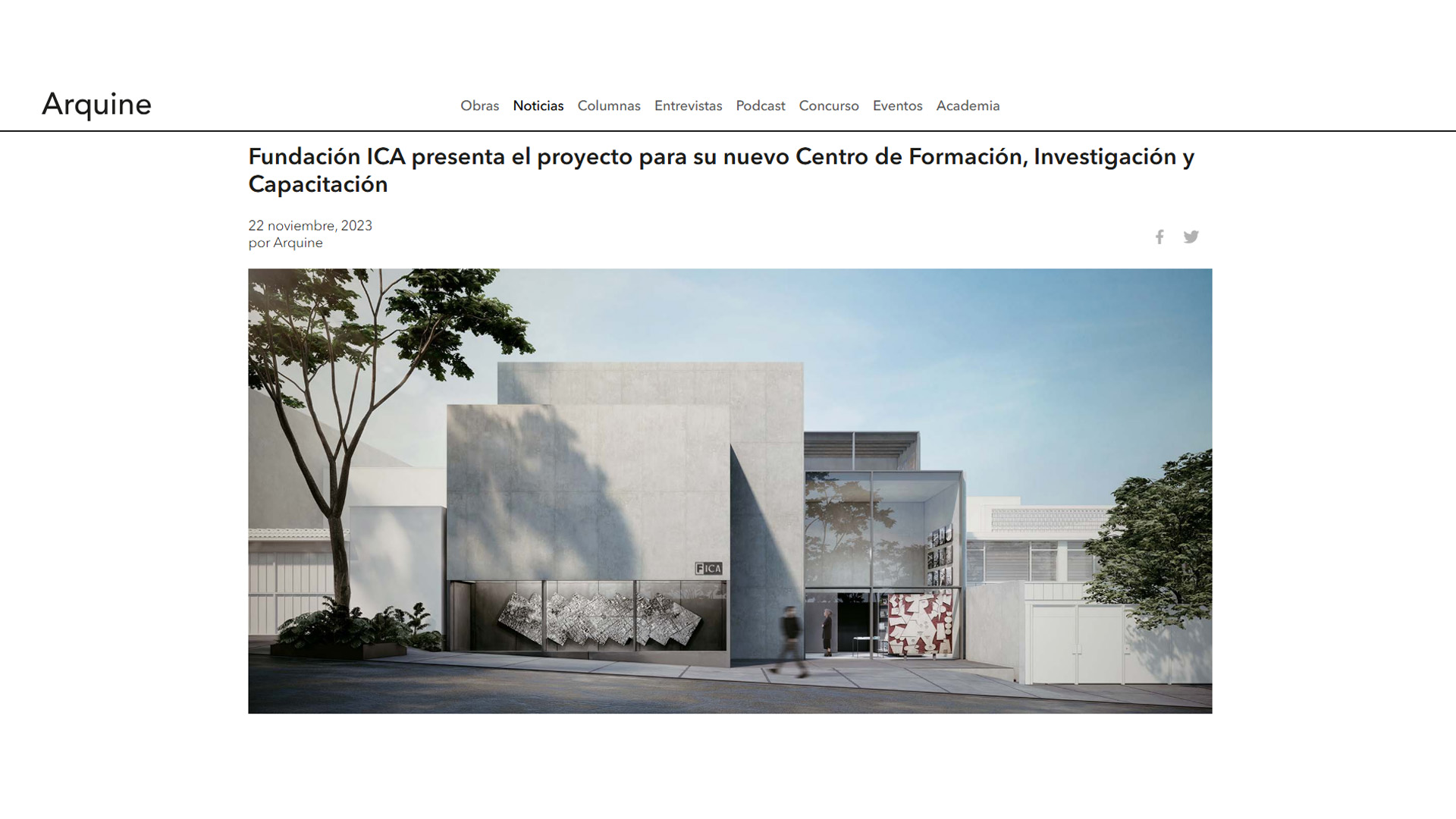
For the conceptual architectural development of the CENFICA project, an invited competition was held with the purpose of reactivating the existing facilities of the current ICA Foundation headquarters (Av. del Parque 91), while also considering the adjacent lot (Av. del Parque 93), which covers an area of 215 square meters and allows for a maximum construction area of 500 square meters. Conducted in two stages, the competition included six teams with extensive experience in cultural and academic projects.
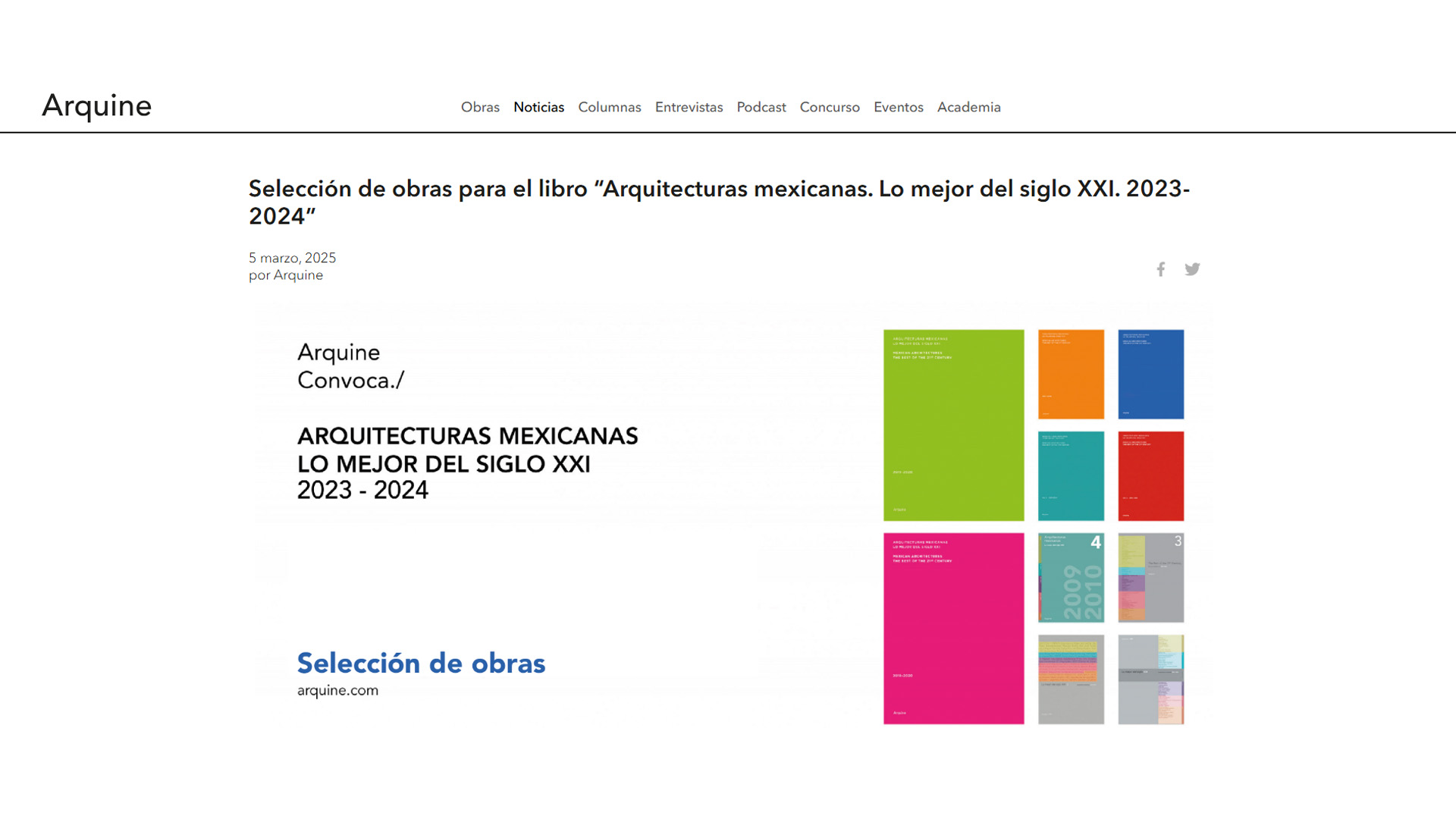
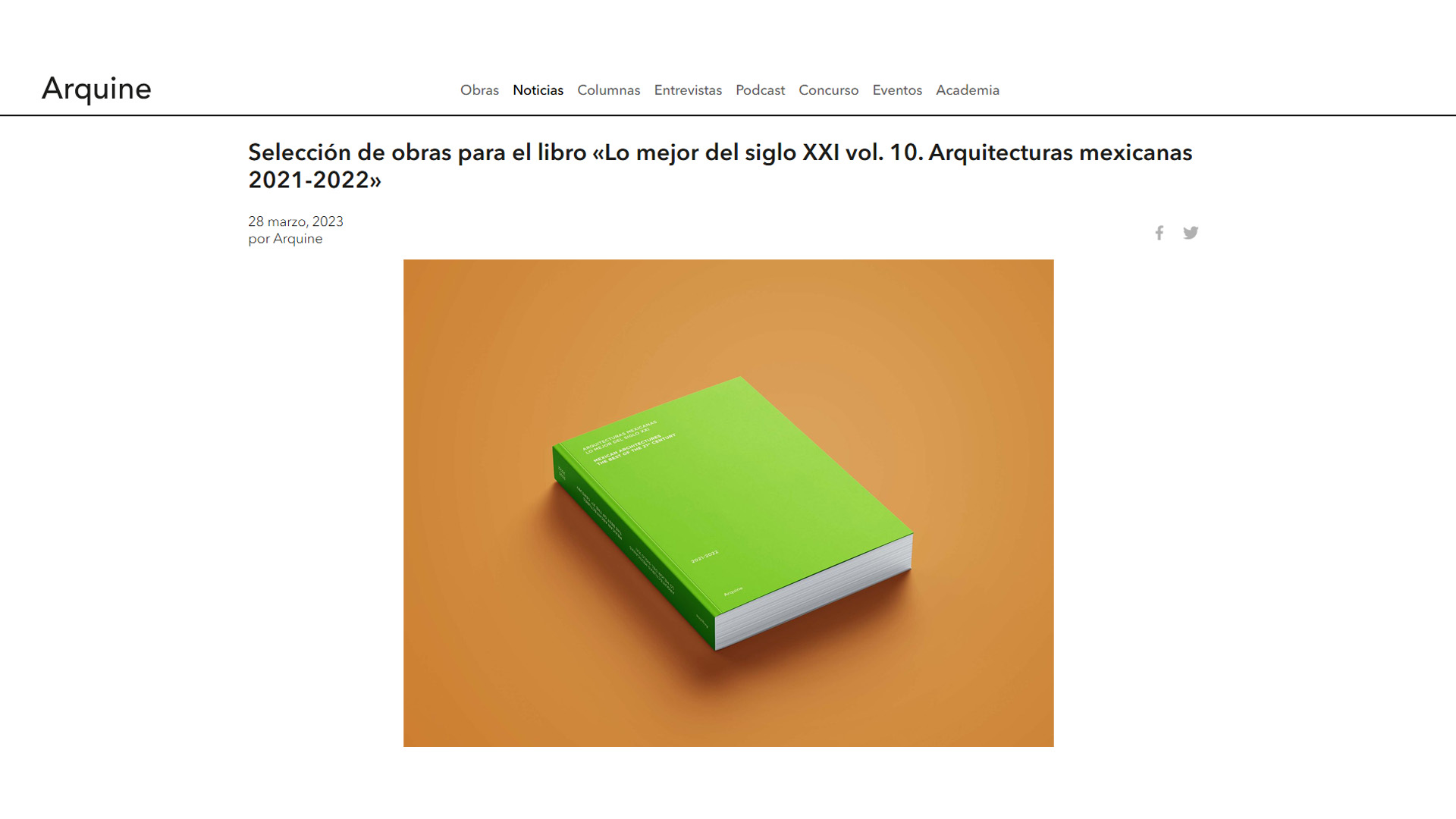
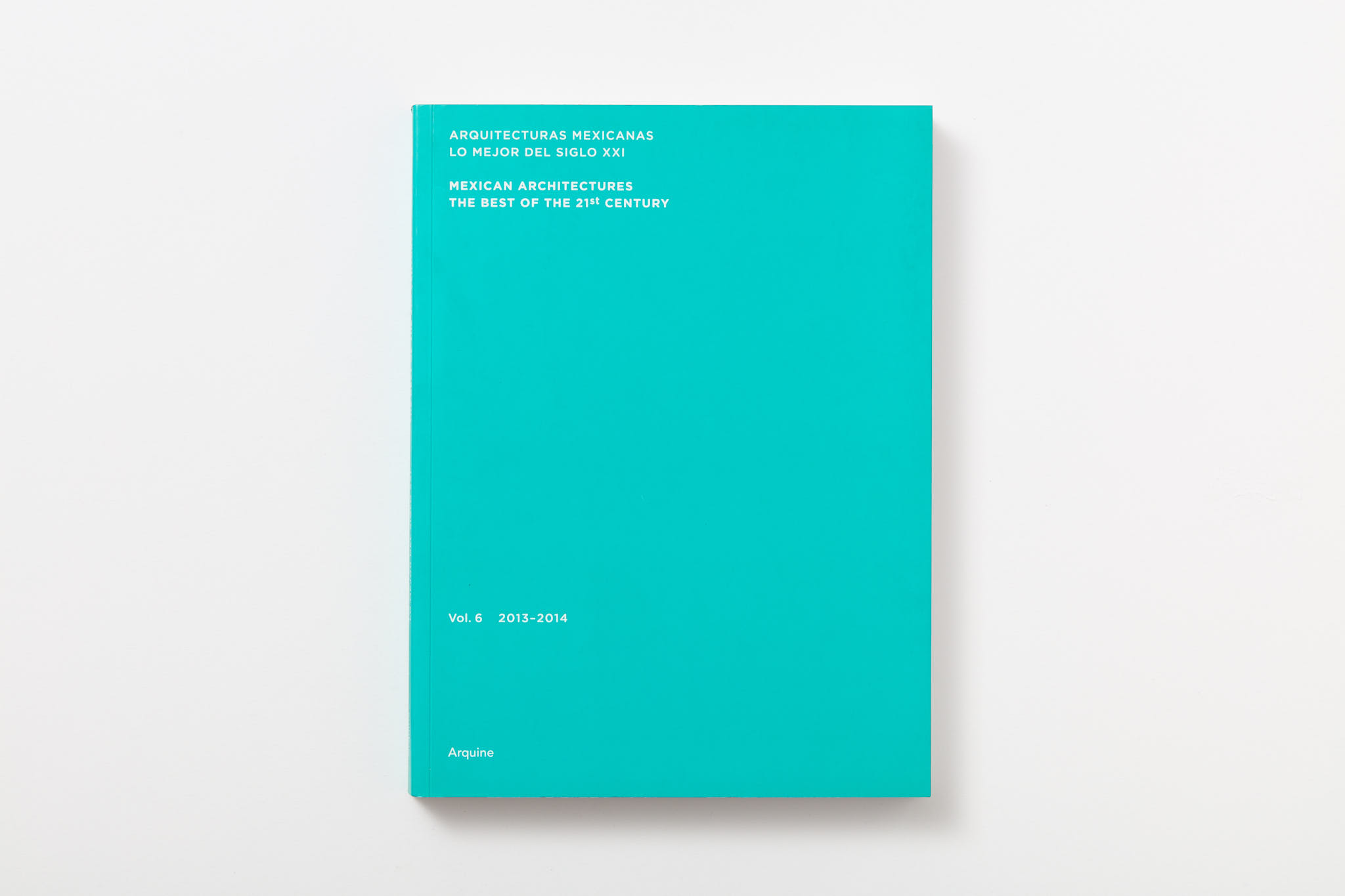
Arquine invited architects interested in publishing their best built work in Mexico between 2021 and 2022 to be featured in a book that will bring together the most outstanding buildings from this period, to be published in 2023.
As a national and open project, it broadens the perspective of contemporary Mexican architecture and allows for exponential dissemination through the network of platforms that Arquine has consolidated over the past 25 years.
The ICA Foundation has just announced the creation of the Training, Research, and Education Center for Ingenieros Civiles Asociados (CENFICA), which will promote the development of professionals in the fields of engineering and architecture, as well as preserve and share the company’s historical legacy through documentary and bibliographic collections.
To develop the architectural concept for CENFICA, an invited competition was held with the purpose of readapting the current headquarters of Fundación ICA. The competition took place in two stages, in which six teams with extensive experience in cultural and academic projects participated:
AMBROSI | ETCHEGARAY
Estudio MMX
Gaeta-Springall Arquitectos
JSa
R-Zero Studio
Taller Capital
In September of last year, the Secretariat of Works and Services of Mexico City announced the architecture firms that would design new cultural spaces in 2021. This government collaboration aims to provide infrastructure for the educational and cultural sectors across various boroughs of the capital. Led by the city’s head of government, Claudia Sheinbaum, the initiative plans to deliver 25 new PILARES (Points of Innovation, Freedom, Art, Education, and Knowledge) throughout the city—each conceived as a unique architectural piece.
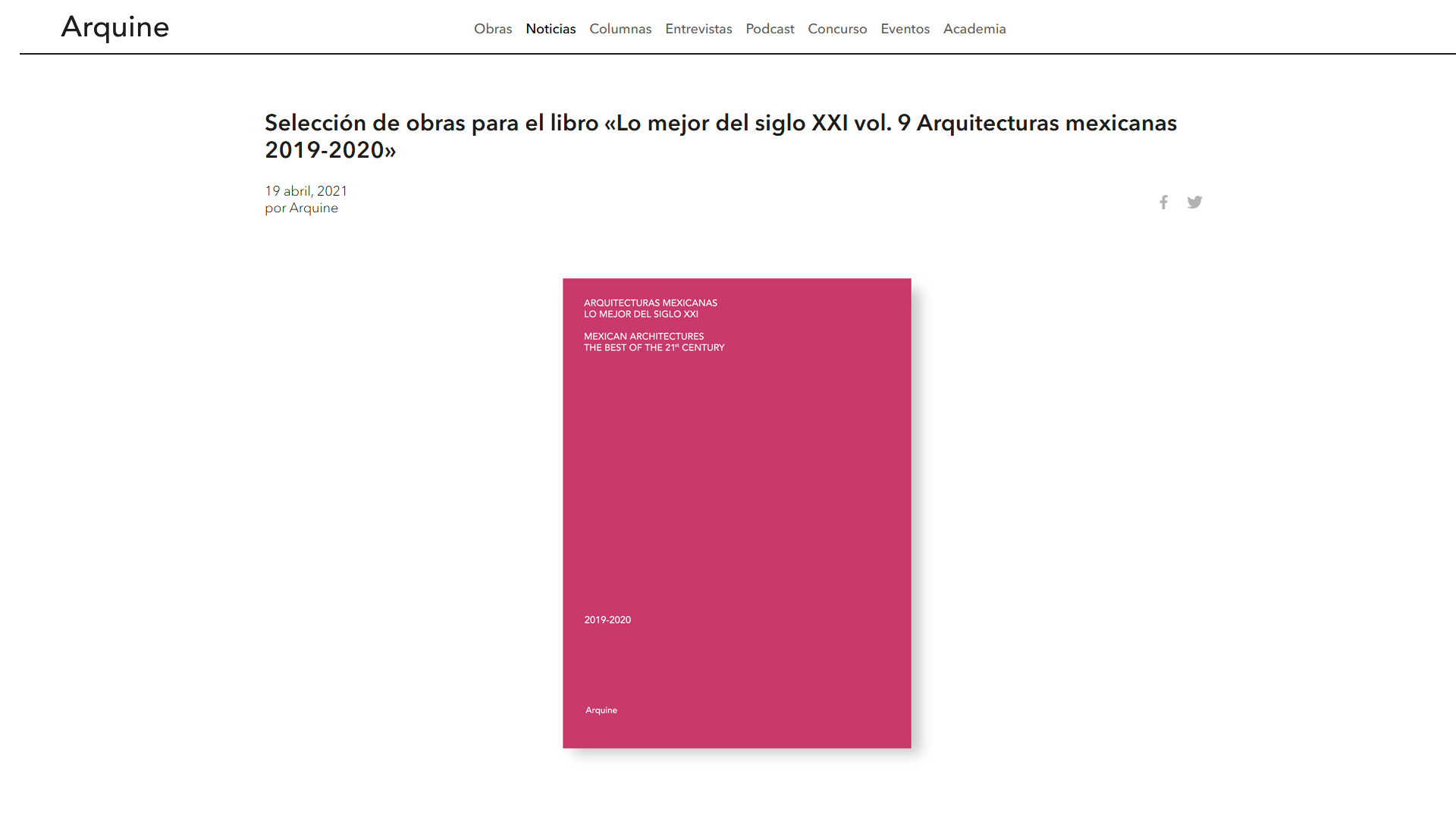
Arquine invited architects interested in publishing their best work built in Mexico between 2019 – 2020 in a book that will compile the most outstanding buildings from this period and will be published in 2021.
More than 350 projects from all over the Mexican territory were received in the open call. We announce the selection of the 98 projects that will make up the book Mexican Architectures The Best of the 21st Century 2019-2020.
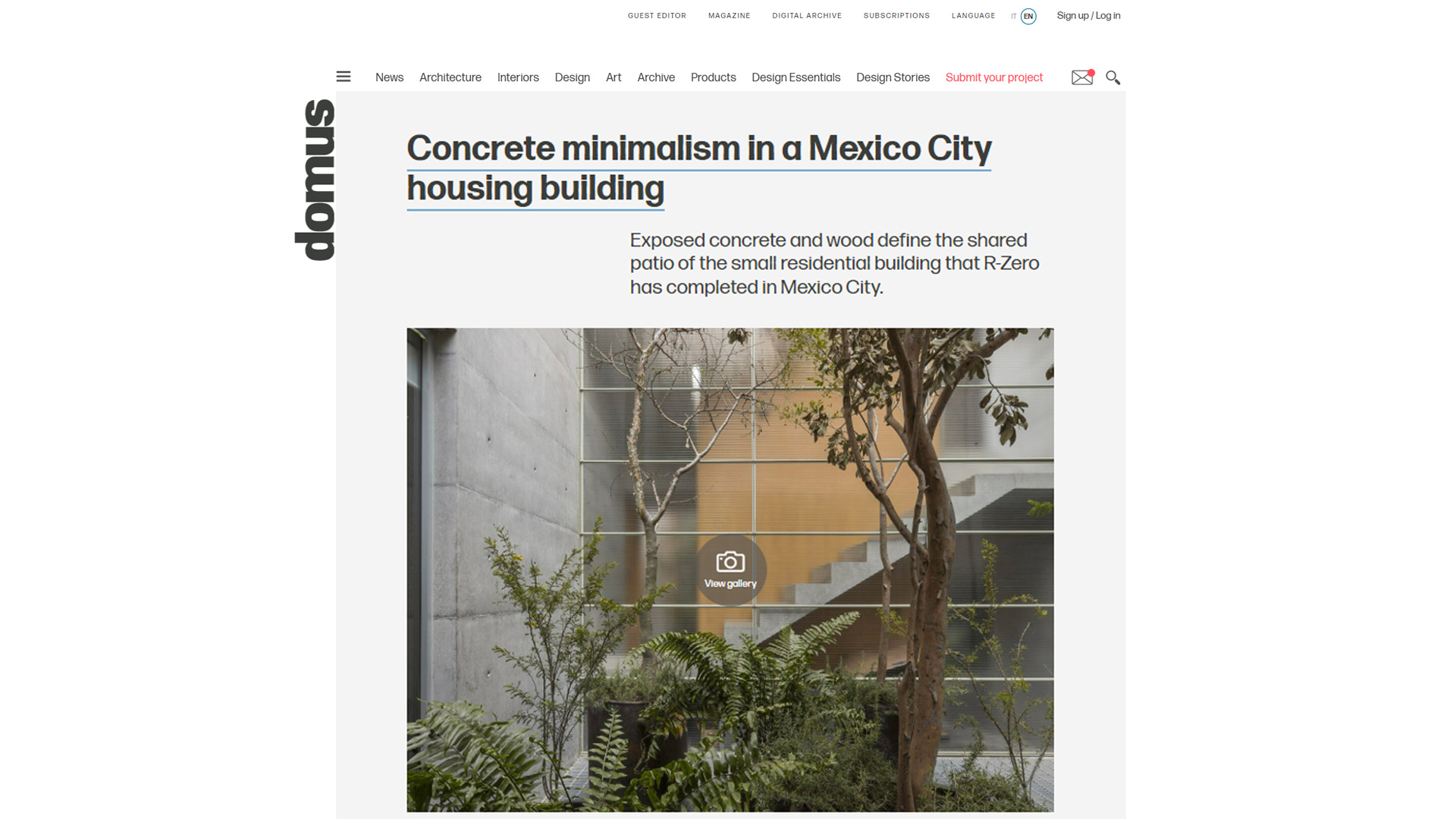
Exposed concrete and wood define the shared patio of the small residential building that R-Zero has completed in Mexico City.
The central patio of the Rochester 64 residential building is the space around which the day-to-day life of its inhabitants revolves. Located in a long, narrow lot, the design by studio R-Zero in Mexico City consists of two separate blocks, two small turrets, joined together by a central staircase that frees up a space for the residents that is not just for service. With just a few precious details, the Mexican architects enhance an environment that is usually just for walking, making it intimate and shared.
The publication of The Best of the 21st Century seeks to be an inclusive project that serves as an exhibition and platform for new generations of Mexican architects. Since 2004, this compendium of architectures has had the main objective of disseminating not only consolidated offices but also studios, workshops and groups of architects to bring together the architectural culture of a specific period of time.